Blog · 4 min read
Gum disease and periodontitis: signs, causes and treatment
Gums that bleed when you brush are not a small thing. How to recognise gingivitis and periodontitis, what causes them and how they are treated.
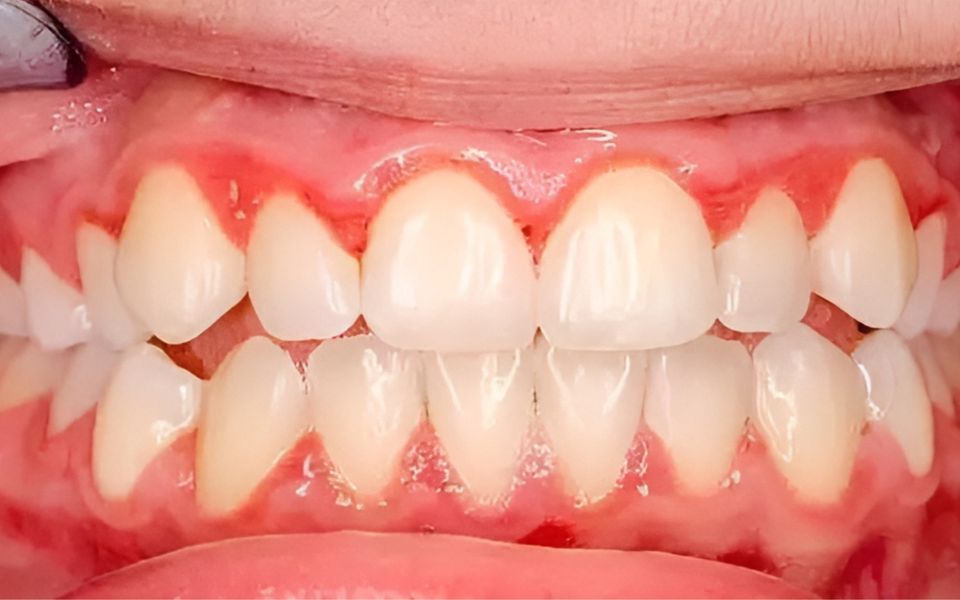
Healthy gums are pink, firm and do not bleed. When gums turn red, swell or bleed when you brush, that is a sign of inflammation. Found early, it is easy to treat, but if it is ignored it can damage the tissue that holds your teeth in place.
Gingivitis and periodontitis
Gingivitis is inflammation of the gums. It is most often caused by plaque building up along the edge of the teeth. Periodontitis is a more advanced form: the inflammation affects the bone and tissue around the tooth, so over time teeth can become loose.
Signs to look out for
- gums bleed when you brush or floss
- gums are red, swollen or tender
- bad breath that does not go away
- gums recede and teeth look longer
- teeth shift or feel loose
What causes gum problems
Gum problems can be caused by a build-up of plaque and tartar, a genetic predisposition, smoking or poor oral hygiene. That is why at the check-up we first look for the cause.
How it is treated
Treatment starts with a professional clean: we use ultrasound to remove tartar and deposits along the gum line (scaling). For advanced cases there are also specialised therapies. After the treatment you get advice on how to look after your gums at home.
How to prevent it
- brush your teeth properly, twice a day, and clean between your teeth
- use antibacterial products if your dentist recommends them
- come for regular check-ups and tartar removal
- smoking increases the risk of gum disease
If your gums bleed for more than a few days, book a check-up on 061 730 720.